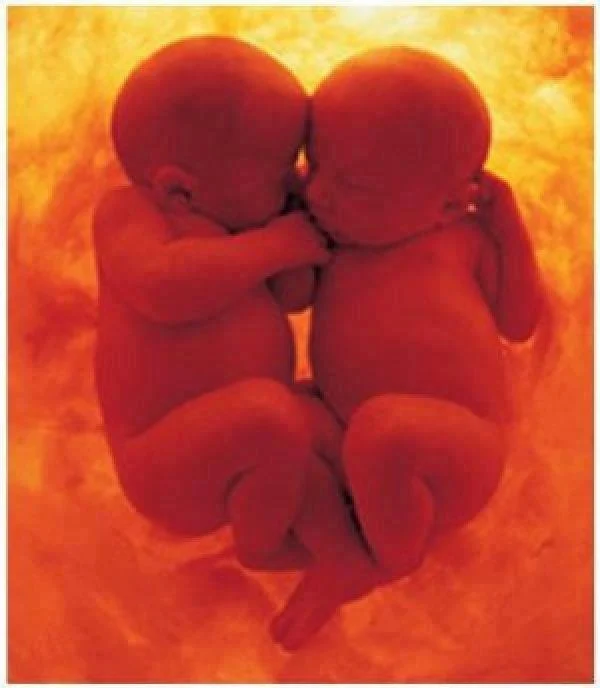
As my children grow, I find myself thinking more about nature vs. nurture. I’ve done what I could to keep them from struggling with my struggles and yet the struggle is real… for them as well as me. This has given me increased graciousness towards myself as I look back, understanding for my parents, but confusion regarding what to do with my children. Are they simply who they are because of my genetics and despite my best efforts, despite my genetics and because of my best efforts, or something beyond?
Identical Strangers is the shared memoir of Elyse and Paula—twins separated and reunited. Their lives before finding each other serve only as prologue to their story and to their self-understanding—at least in part. They weave studies on twins together with their discovery that they were twins and are twins. They share many of the uncanny parallels in the lives of separated twins as well as the self-differentiation that happens with twins who grow up together.
It’s their telling, though, which I found most telling. Elyse seems to need to tell this story. Paula is willing. Paula is married with one child when she and Elyse find each other and has another child by the end. Elyse is single when the book begins and dating by the end. These differences are telling. Paula has a mature settledness to her. She doesn’t focus near as much on herself as Elyse. I likely would have likely would have assessed their voices quite differently if I were still single and pointed out more Elyse’s energy and excitement. As each writes their sections, you get to know them to the point that you can tell who is writing even if didn’t have the name on the page. It becomes obvious that their different choices, commitments, and responses to life have shaped them differently as powerfully as their shared genetics.
I read this alongside Brooks’s The Social Animal to better consider nature vs. nurture. Neither left me sensing that my children, myself, or anyone is imprisoned by nature. There’s far more to it than that. There’s far more to me than the genetics of me.