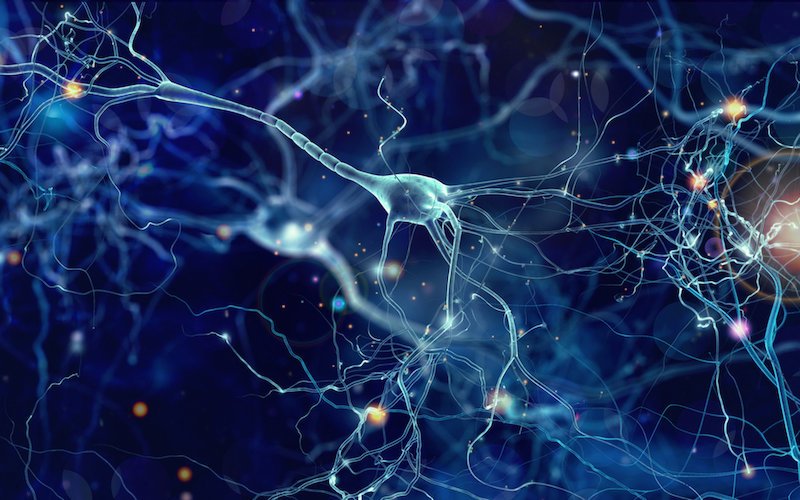
Some skeptical souls argue that what we consider the business of life is nothing more than us experiencing biochemistry. What we consider romance is a confluence of chemical experiences—sparked by testosterone and estrogen, fueled by dopamine, and sustained by oxytocin and vasopressin. Memory is Calcium, Calmodulin, and CaMKII. The chemistry is the totality and any attempt to say more is just more biochemistry playing itself out in the petri dish that is you.
That seems to confuse method for meaning. Seeing how something works doesn’t mean we see through it—that we explain it away. It means we gain a partial, but real, understanding. Dopamine and oxytocin really are part of romance. Cortisol and Norepinephrine really are part of shame. A better understanding of these helps us better understand these experiences.
In The Social Animal, David Brooks tries to add this layer of biochemical understanding to business of life by way of two biographies—his fictional Harold and Erica. Harold is such an unusual name today that I wondered whether Brooks’ was nodding at Byron’s Childe Harold. Our hero, Harold, and the later hero, Erica, grow, struggle, and find delight; it’s all described in terms of biochemistry. The biographical approach keeps it interesting… in general. It’s hard to sustain interest in two entire lives whose purpose it to illustrate another point.
I read the book—in part—to continue to struggle with the question of nature vs. nurture—or whatever word would be best to put between nature and nurture or in addition to them. People are hard to figure out. I’m hard to figure out. This book gives a helpful angle to understand our strange selves just a bit better—but only a bit better; expecting anything more reduces us. We are not less but more than the sum of our parts.